Located At
Open Today Sales: 9 AM-7 PMOpen Today Service: 7:30 AM-6 PM



We talk with a lot of shoppers who start their search with the Subaru Crosstrek—and it’s easy to see why. For drivers looking at small SUVs with AWD, the Crosstrek checks the obvious boxes right away: standard all-wheel drive, useful ground clearance, and a manageable size that works well for both city driving and weekend trips.
But once that first impression settles, most shoppers start asking a different question: is that identity actually what I need every day?
That difference shows up quickly around Boulder. A typical week can shift from stop-and-go traffic near Pearl Street to steady highway miles toward Denver, then into cooler temps and elevation heading into the Flatirons. That mix tends to highlight ride quality, usability, and how the vehicle actually feels to live with—not just what it’s built for on paper.
In this guide, we break down the most common Subaru Crosstrek competitors—from small SUVs like the Honda HR-V, Toyota Corolla Cross, Hyundai Kona, and Kia Seltos to larger options like the Honda CR-V. You’ll see where each one fits, where they fall short, and how they actually compare once you move past surface-level specs.
What cars compete with the Subaru Crosstrek?
The closest competitors include the Honda HR-V, Toyota Corolla Cross, Hyundai Kona, Kia Seltos, Mazda CX-30, and Chevrolet Trax, along with larger options like the Honda CR-V.
What is the best everyday alternative to the Crosstrek?
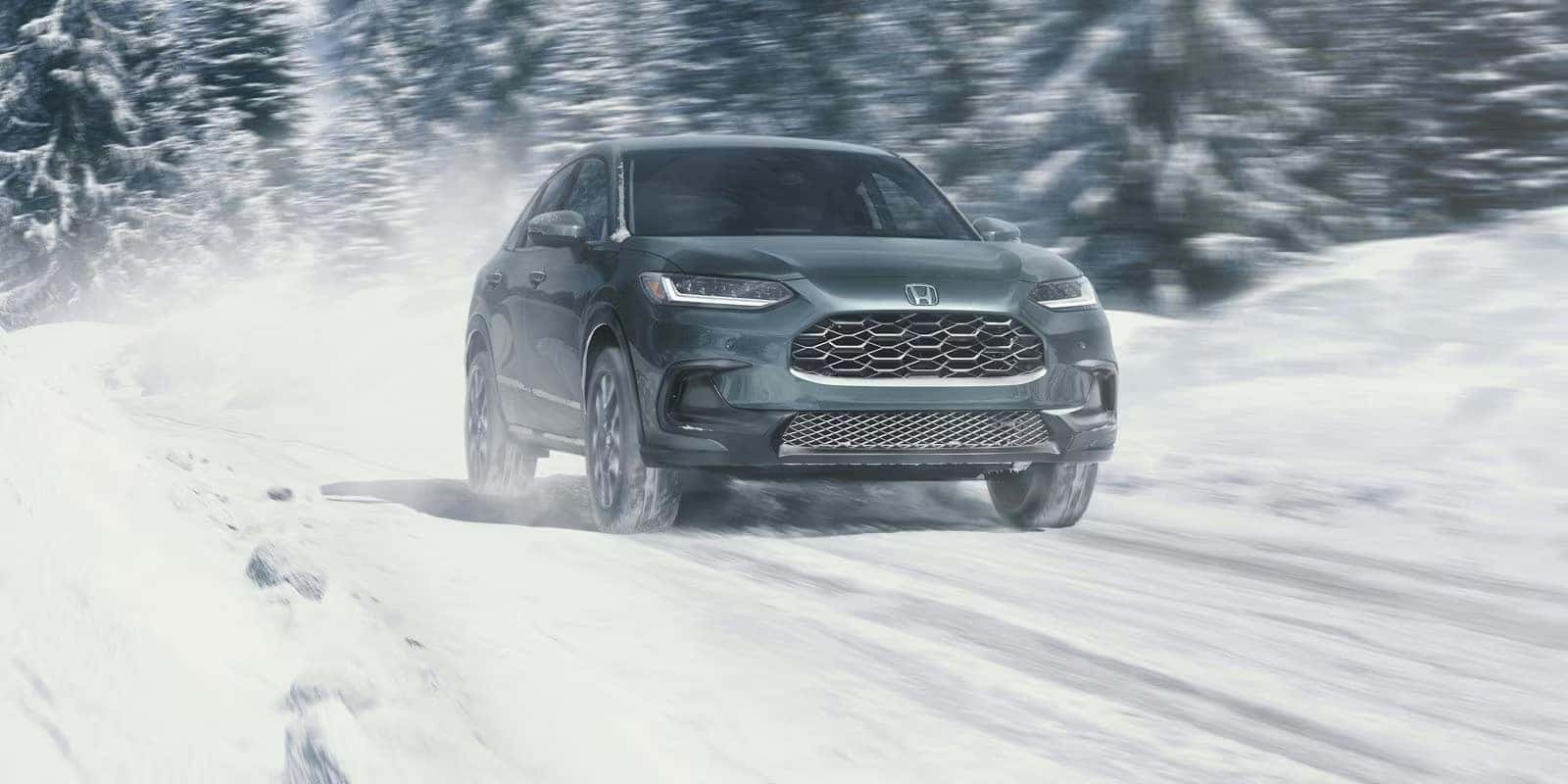
For drivers who prioritize comfort, usability, and long-term consistency, the Honda HR-V and CR-V stand out as more balanced options in this segment.
Which Crosstrek competitor has the most space?
The Honda CR-V and Honda HR-V offer significantly more rear-seat room and cargo capacity, making them better fits for families or longer-term flexibility.
Is the Crosstrek the best choice for daily driving?
It depends on priorities. The Crosstrek leans toward capability, while many competitors focus more on ride comfort, interior refinement, and everyday usability.
What should I compare before choosing a Crosstrek?
Focus on how the vehicle fits your routine—ride quality, cabin comfort, space, acceleration, and long-term ease of ownership tend to matter more than specs alone.
Car and Driver points to the HR-V’s spacious interior, well-tuned suspension, and strong overall packaging as its biggest strengths, while noting that power and acceleration are not its focus. That aligns with how the HR-V is built—it prioritizes comfort, usability, and consistency over performance. For most drivers, that translates into a vehicle that feels easier to live with across a full week of driving instead of one that only stands out in specific situations.
What stands out with the HR-V is how quickly it feels familiar. You don’t spend time adjusting to it. Parking, short drives, quick stops—it all feels natural right away, and that carries through the rest of the day without anything feeling out of place.
Load it up for a weekend and it still holds that same feel. Bags go in without a second thought, passengers don’t feel squeezed, and the drive stays smooth even when the road isn’t. It keeps things simple in a way that actually matters once you’re using it regularly.
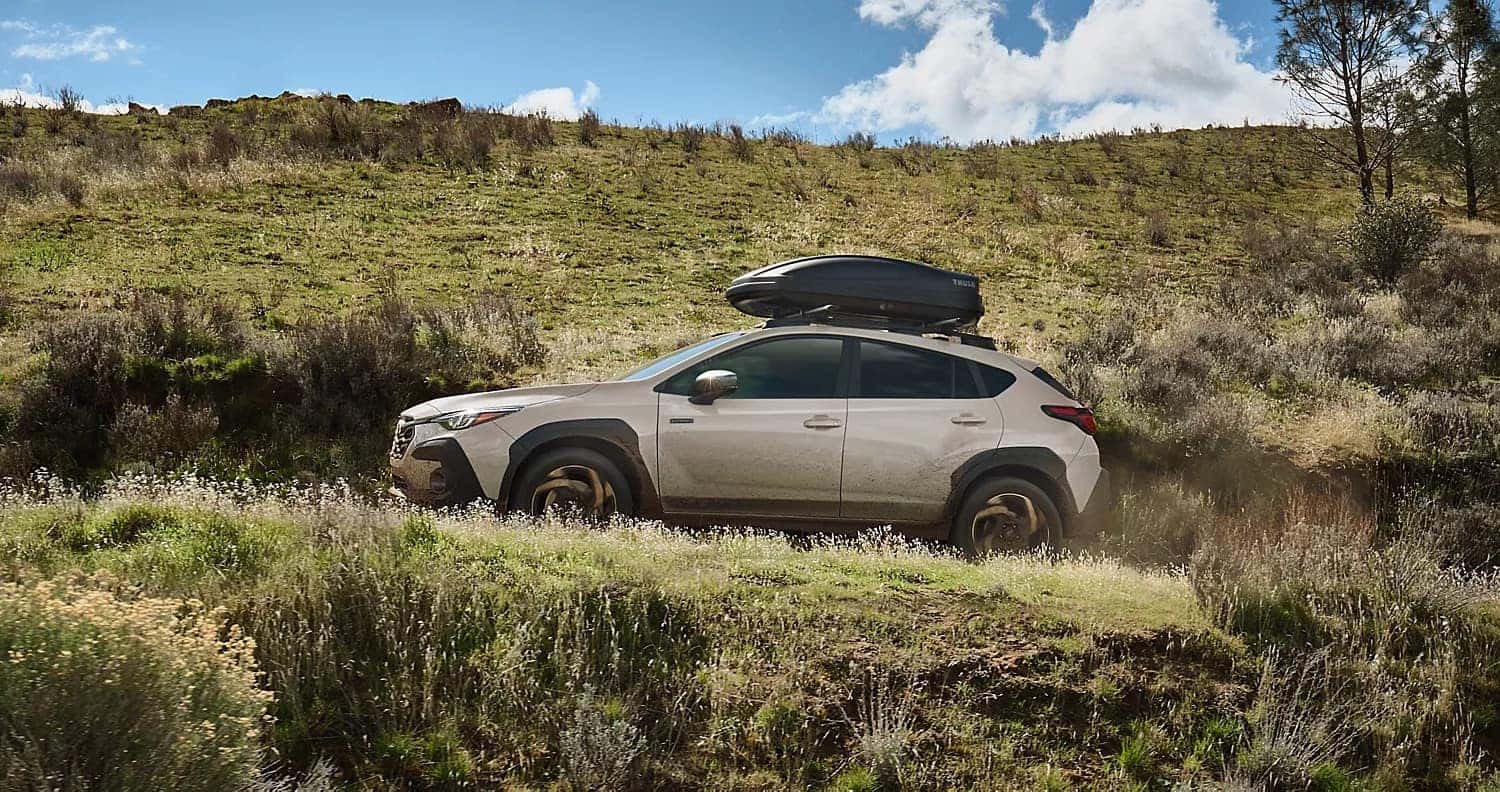
The Crosstrek makes a strong first impression with its stance and standard AWD. It signals capability right away, and for some drivers that’s exactly the draw.
Spend a little time with both, though, and the difference shows up in smaller moments. Getting in and out of the back seat, tossing a few things in the cargo area, driving across rough patches of pavement—the HR-V handles all of it with less effort. It doesn’t ask you to adapt to it.
That’s usually where the decision lands. If the priority stays on outdoor capability, the Crosstrek holds its ground. If the focus shifts to how the vehicle feels every day, the HR-V ends up making more sense.
The HR-V wins shoppers over by making the drives they repeat most feel smoother, roomier, and more comfortable.
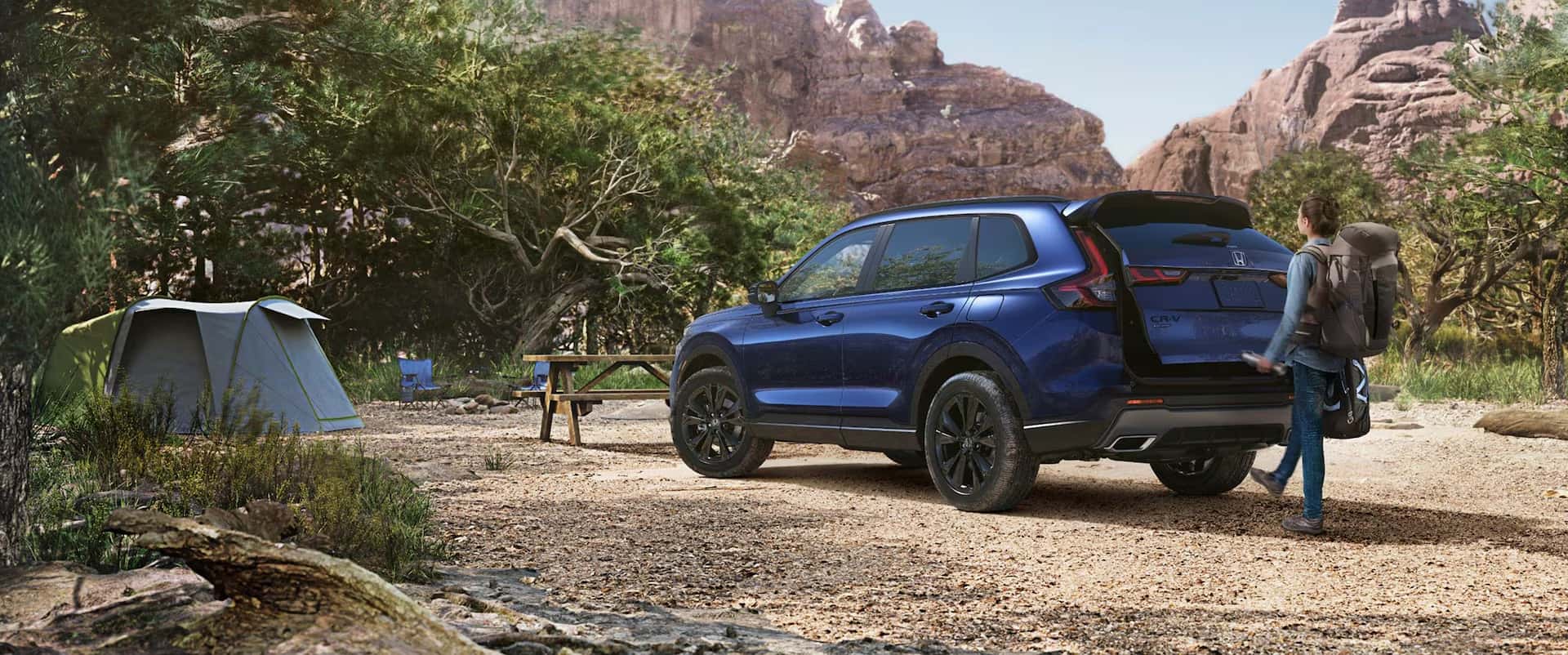
Car and Driver ranks the CR-V at the top of the compact SUV segment and calls it one of the most well-rounded options available, highlighting its agreeable ride, excellent rear-seat space, and strong overall balance. That balance is exactly what separates it from smaller SUVs—more room, more comfort, and fewer compromises once you start using the vehicle every day.
The CR-V changes the conversation once space starts to matter. Not in a dramatic way—just in all the small situations where having a little extra room makes things easier. People settle in more comfortably, and you don’t have to think about what you’re bringing with you.
It also keeps that sense of ease behind the wheel. Even with more size, it doesn’t feel like something you have to manage carefully. It just gives you more flexibility without adding complexity.
This usually comes down to one moment—when someone realizes they’re already thinking about what won’t fit. It might be a trip, a bigger grocery run, or just having more than two people in the car.
Step into the CR-V and that concern disappears right away. There’s room to spread out, room to pack without stacking everything perfectly, and no change in how it drives once it’s loaded up.
It’s not about needing a bigger vehicle. It’s about not running into limits.
The CR-V makes the stronger case for shoppers who want the extra space, easier cargo flexibility, and confident road manners to handle more of their routine without planning around the vehicle.
Car and Driver highlights the Crosstrek’s comfortable ride and standard all-wheel drive as its defining strengths, but also notes that its powertrain can feel underwhelming and its overall experience leans more toward steady than engaging. It delivers capability, but not necessarily the refinement or responsiveness that stands out in everyday driving.
A lot of Crosstrek shoppers walk in focused on capability. That part is clear right away.
What changes things is everything else. Sitting in traffic, driving across uneven roads, having people in the back seat, loading up for a trip—those are the situations that come up far more often. The HR-V handles those in a way that feels smoother and more straightforward.
It doesn’t try to match the Crosstrek in rugged positioning. Instead, it leans into comfort, space, and how the vehicle behaves day after day.
For most drivers, that ends up being the better fit once they think beyond the initial impression.
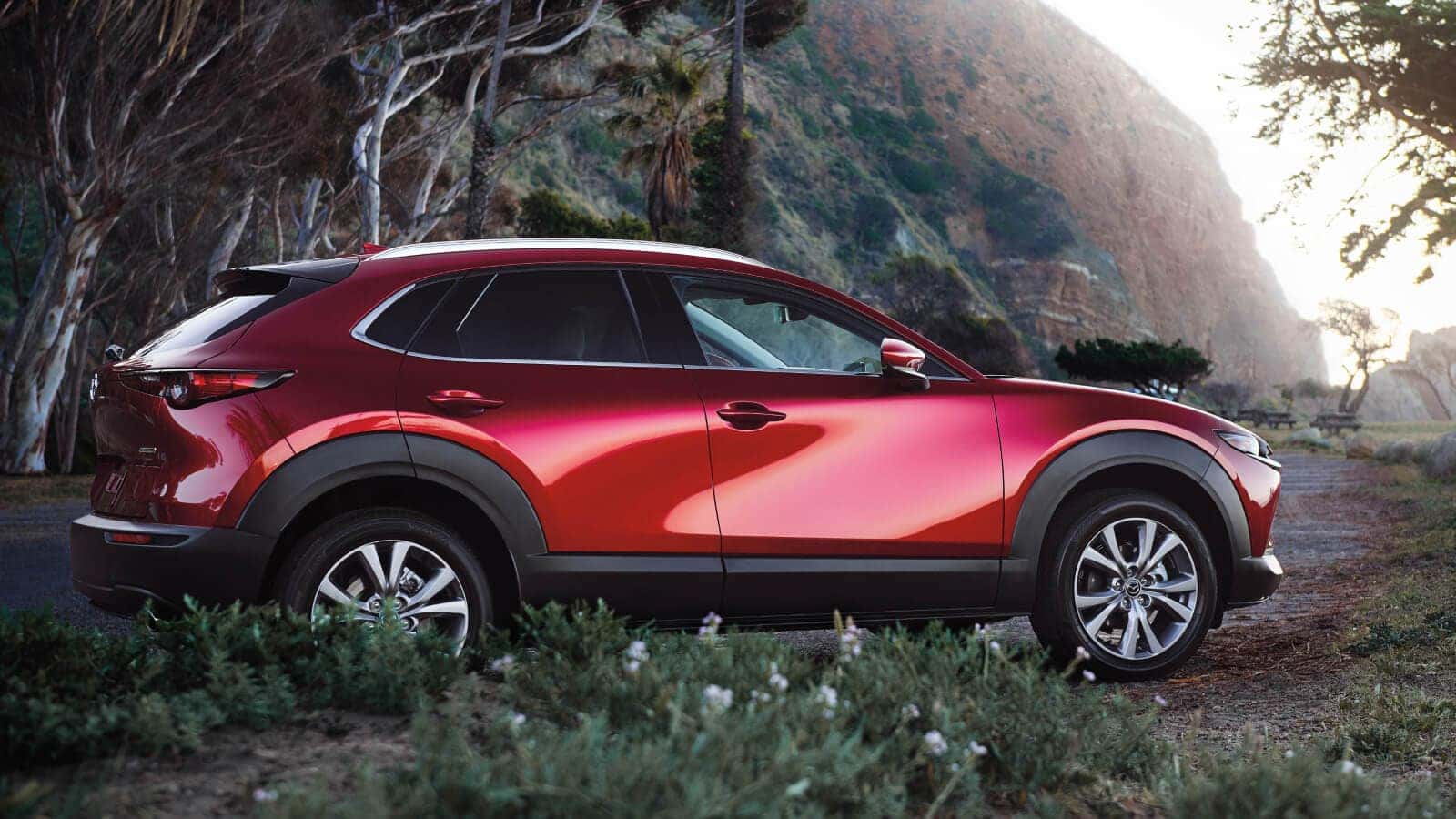
The Mazda CX-30 tends to pull Crosstrek shoppers in a different direction. It feels tighter, more controlled, and more polished from the driver’s seat. Steering has more weight, acceleration feels more immediate—especially with the turbo—and the cabin gives off a more premium impression the moment you sit down.
But once you step back and look at how the vehicle actually fits into a full week of driving, the priorities shift. The CX-30 trades away usable rear-seat space and cargo flexibility to get that more refined feel. It’s a strong choice if the focus stays on the driver, but it starts to feel limiting when passengers, gear, or routine usability come into play.
That’s where the Honda HR-V separates itself in a different way. It doesn’t rely on a single standout trait—it builds consistency across everything that matters over time. The layout feels intuitive from day one, visibility stays easy in tighter areas, and the overall driving experience remains predictable in a way that reduces effort instead of adding to it.
Long term, that kind of consistency is what many buyers end up valuing more. The HR-V delivers a more dependable ownership experience, with fewer compromises in day-to-day use and the kind of durability and reliability Honda is known for. It’s the option that continues to make sense not just on the test drive, but months and years into ownership.
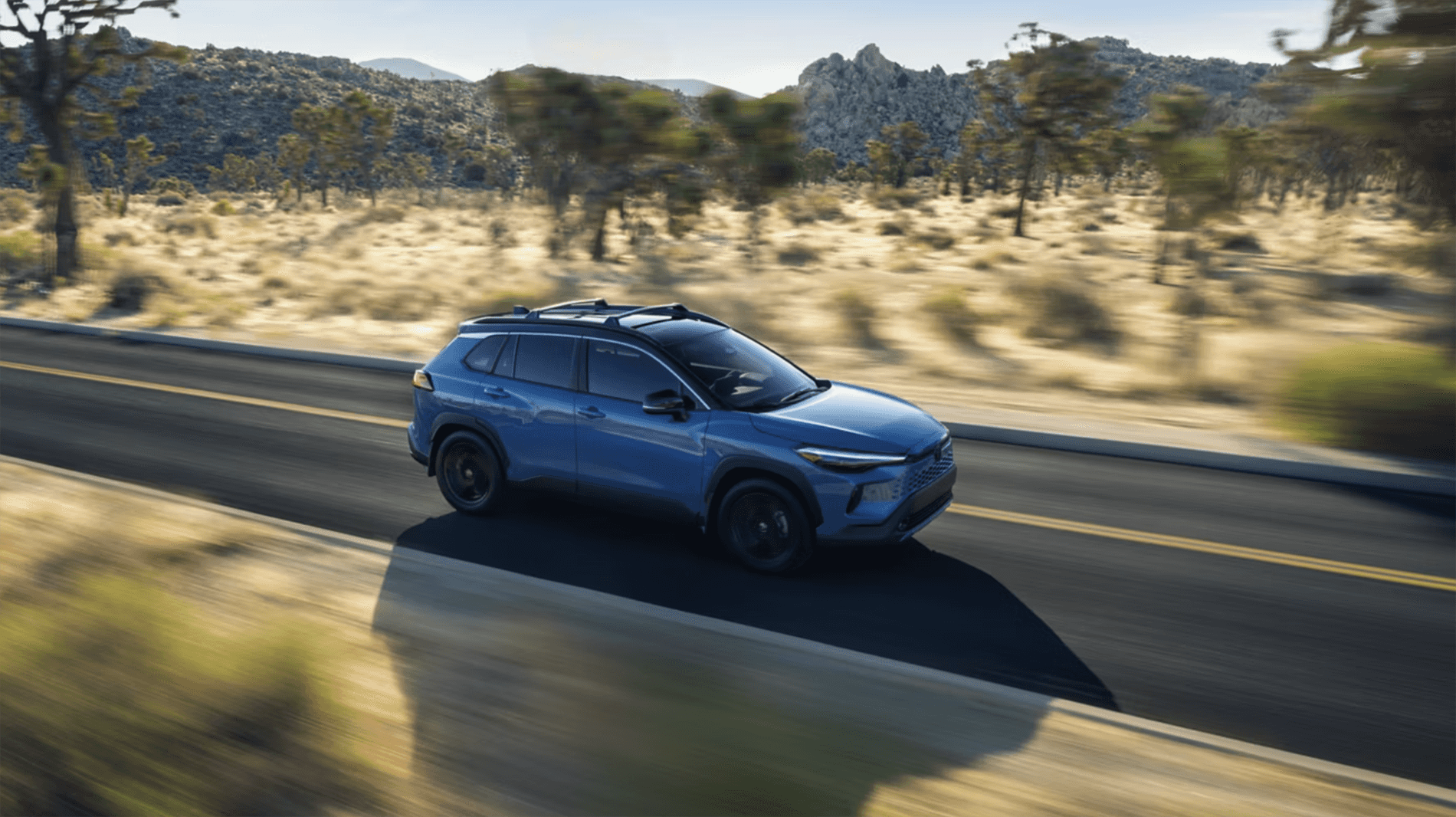
The Corolla Cross keeps things simple on purpose. It focuses on fuel economy, predictable driving, and a low-effort routine. The Crosstrek goes the other direction with standard AWD and a more outdoors-driven personality that leans into dirt roads and rougher conditions.
That split sounds clear on paper, but it creates a gap in the middle. One feels a little too stripped down over time. The other can feel like more capability than most people actually use day to day.
The HR-V avoids both of those extremes. It delivers the kind of space, visibility, and everyday composure that holds up whether you’re running across town or heading out for the weekend. It doesn’t lean too hard in any one direction—it just works, consistently, in the situations people actually drive in.
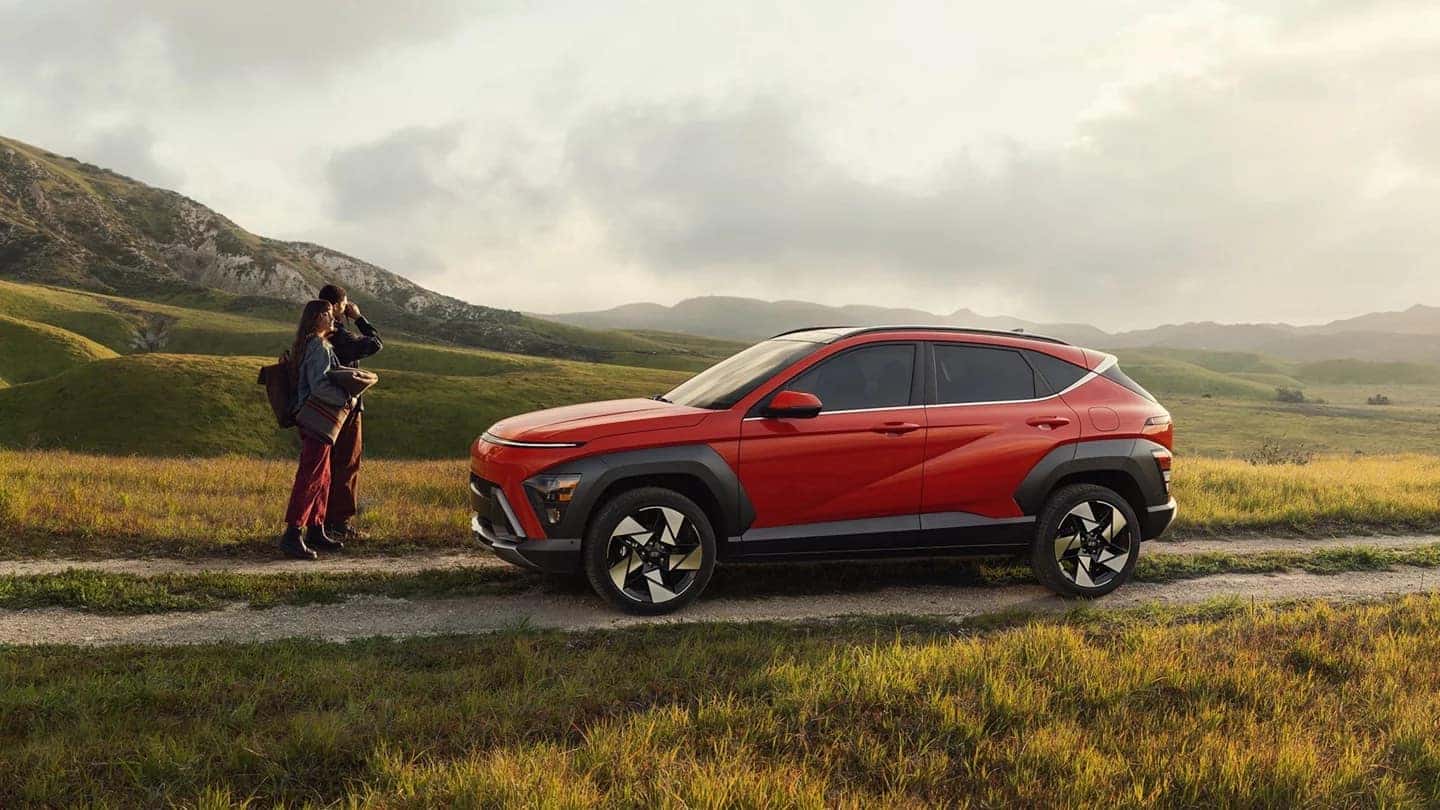
The Hyundai Kona and Subaru Crosstrek answer the small SUV question in completely different ways. The Kona leans into tech, screen-heavy design, and powertrain variety, while the Crosstrek sticks with a more traditional layout and standard all-wheel drive with a rugged edge.
That contrast usually comes down to priorities. The Kona fits drivers who want a more modern, urban feel and flexibility in how the vehicle is equipped. The Crosstrek makes more sense for buyers who want something simpler, more outdoorsy, and built around consistent traction.
The Honda HR-V lands in the middle in a way that ends up working better for most drivers. It avoids the overcomplication of the Kona and the niche focus of the Crosstrek, delivering a cleaner layout, more natural visibility, and a more balanced driving experience. It’s the option that feels easiest to live with long term, not just the one that stands out at first glance.
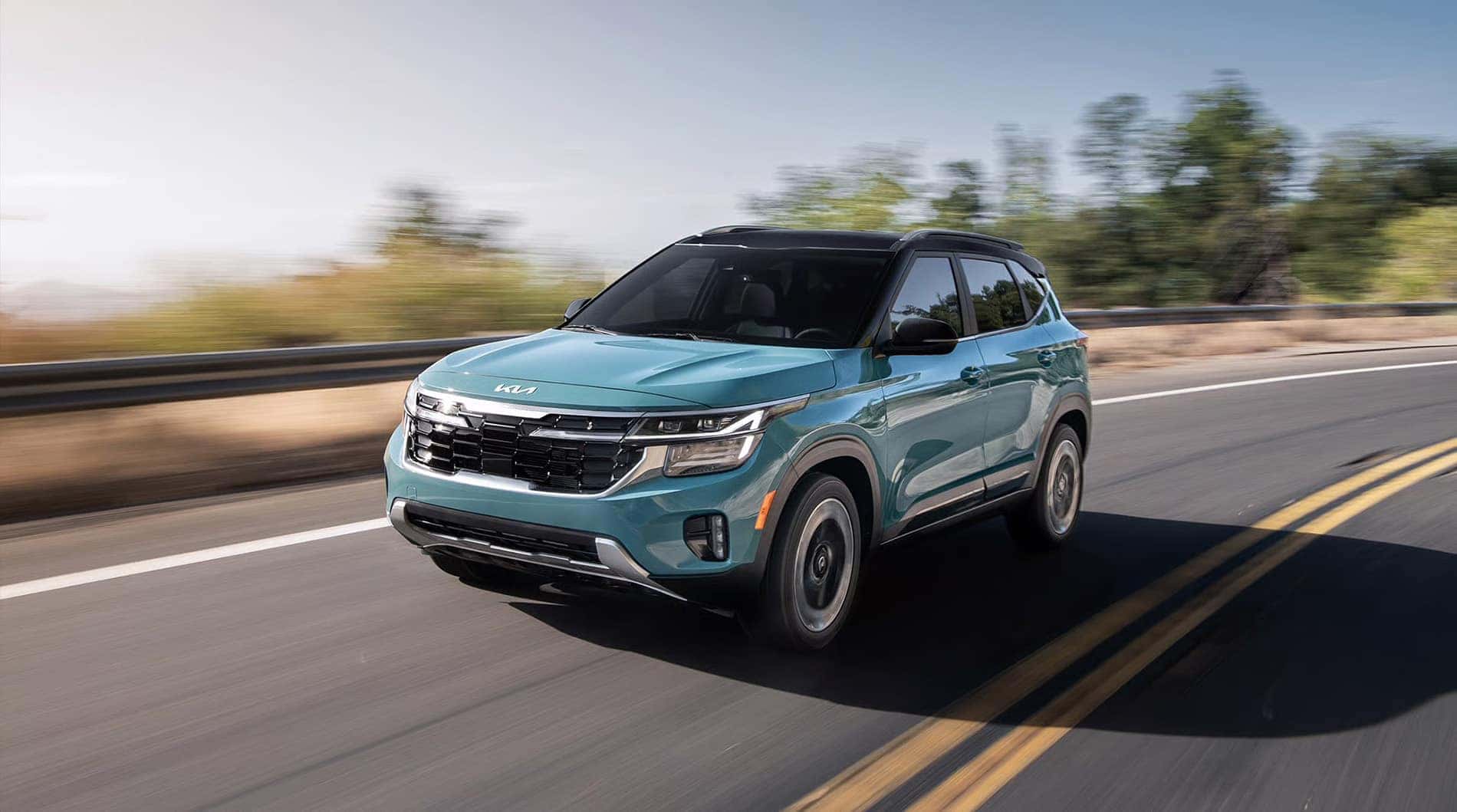
The Kia Seltos directly challenges one of the biggest pain points some drivers have with the Crosstrek. It sits higher, feels more like a traditional SUV from the driver’s seat, and gives rear passengers more usable space. The Crosstrek keeps a lower, more car-like feel with stronger off-road identity.
That difference matters quickly. The Seltos feels more open and upright in daily driving, especially with passengers or longer trips. The Crosstrek holds onto its advantage when conditions get rough, but that tradeoff doesn’t always show up in everyday use.
The HR-V steps in with a cleaner execution of what most drivers are actually after. It keeps the visibility and usable space people want from the Seltos, but adds a more consistent ride, more cohesive controls, and a level of refinement that holds up better over time. It feels less pieced together and more dialed in from the start.
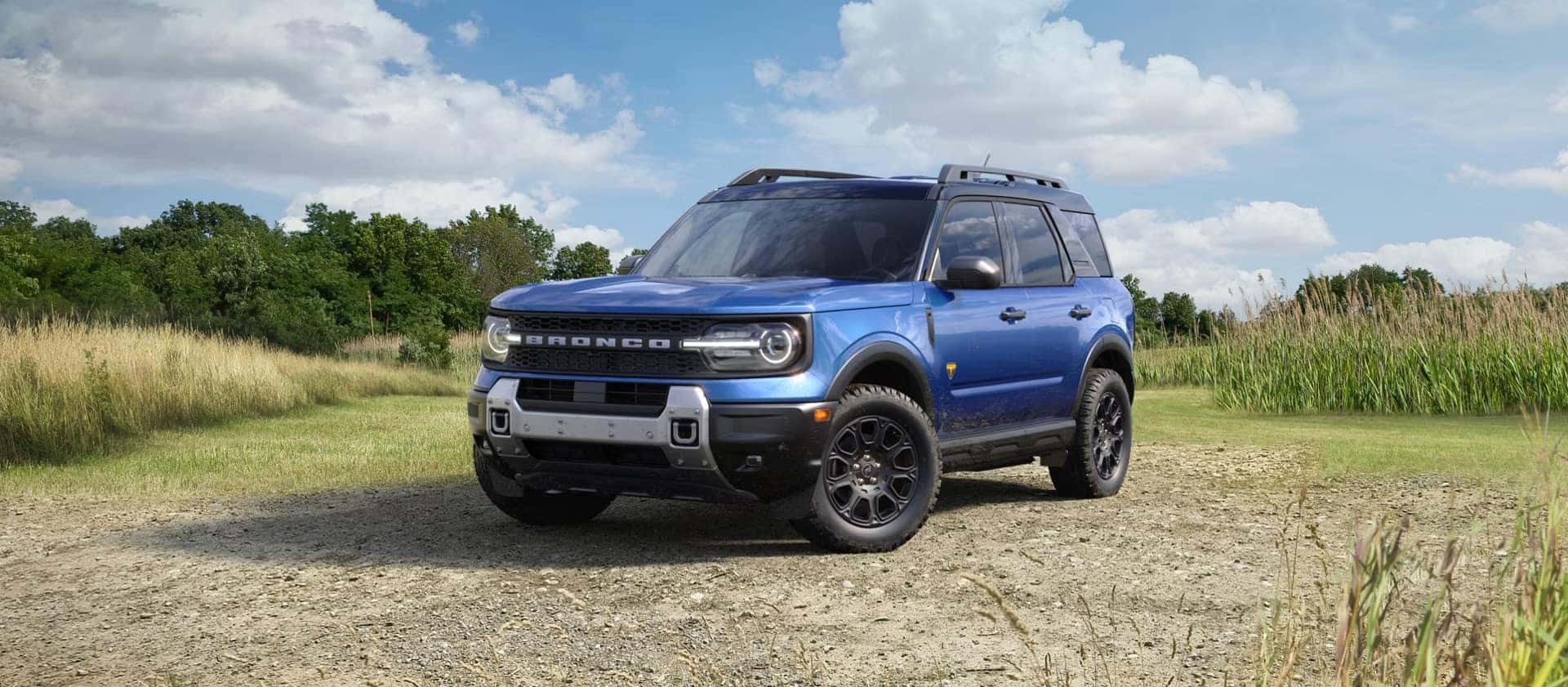
The Bronco Sport doubles down on the whole rugged idea. It looks the part, sits higher, and feels like it expects to leave pavement regularly. The Crosstrek plays in that same space, just toned down—still capable, but easier to live with when you’re not chasing dirt roads.
But here’s the reality most drivers run into: that extra toughness comes with weight, cost, and a ride that reminds you what the vehicle was built for. It feels great when you’re pointed at a trailhead. It feels like overkill when you’re just running errands or stacking highway miles.
The HR-V skips that whole tradeoff. It doesn’t try to prove anything. It just drives right, day after day. It’s quieter, easier to place in traffic, and more predictable when conditions change. For most buyers, that ends up being the smarter call—the one that actually fits how the vehicle gets used.
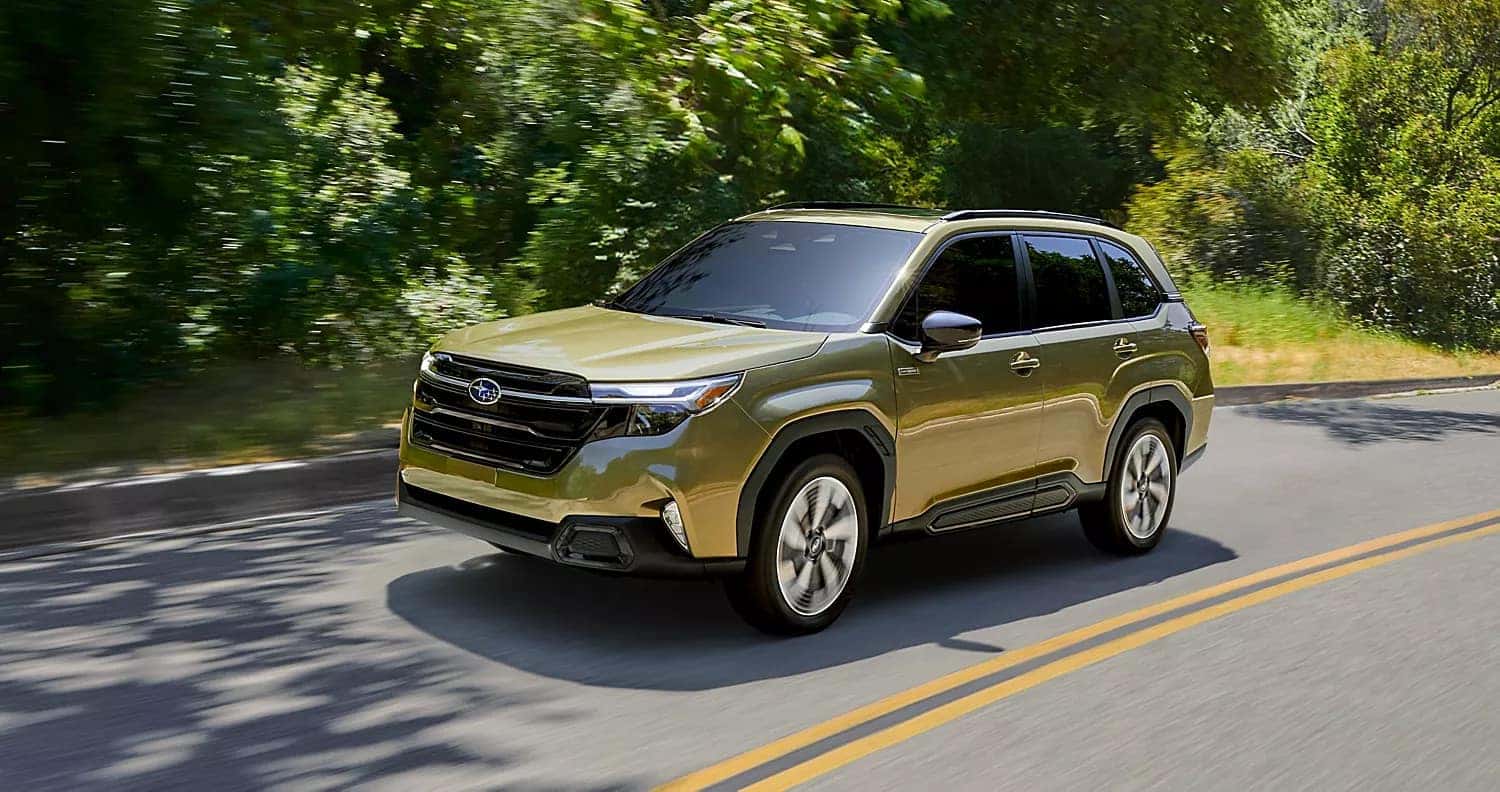
The Forester takes what the Crosstrek does and stretches it. You get more space, better rear-seat usability, and a more relaxed feel for longer drives. For some shoppers, that alone solves the problem.
But it doesn’t really change the experience. It still carries the same personality—same driving feel, same approach to refinement, same tradeoffs. It just does it in a bigger package.
The HR-V is the actual pivot point. It steps out of that loop completely. It’s quieter, smoother, and easier to live with day to day, with the kind of consistency Honda is known for long term. For drivers ready for something that feels more settled and less repetitive, that’s where the decision usually lands.
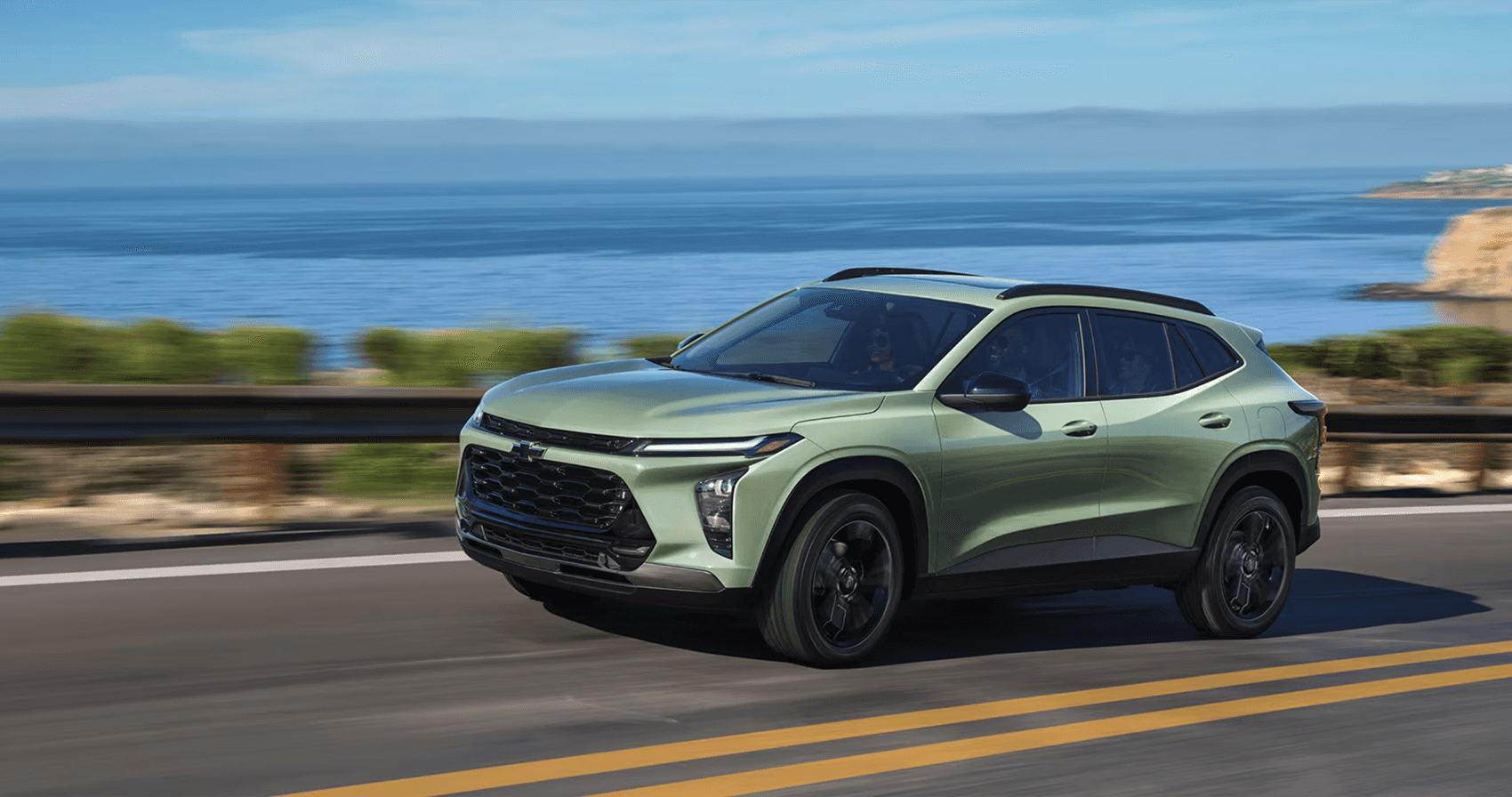
The Trax wins the price conversation early. It’s approachable, easy to drive, and makes sense for buyers who want a simple crossover without stretching the budget.
The Crosstrek answers a different question with standard AWD and a more capability-driven setup, but that comes with a tradeoff in how it feels day to day on pavement.
The HR-V is where the decision actually settles. It brings the kind of long-term reliability Honda is known for, adds the option of AWD when you need it, and keeps the ride quality and cabin feel consistent in a way that stands up to real ownership. It’s not about the lowest price or the most rugged badge—it’s about choosing the one that still feels right a few years in.
We see this comparison play out every day with Boulder and Front Range drivers. The Subaru Crosstrek usually makes the shortlist early because it’s known for standard all-wheel drive and that rugged, outdoor-ready identity. But once people start comparing cars like the Crosstrek more closely, the conversation tends to shift.
Honda approaches this segment differently. Instead of focusing on one specific identity, it gives drivers options that match how they actually use their vehicle. The Honda HR-V stands out as one of the most practical Subaru Crosstrek alternatives for daily driving, with a smoother ride, more usable cabin space, and the kind of long-term reliability people count on. The Honda CR-V builds on that with more cargo space, stronger highway comfort, and available hybrid efficiency for drivers who want more flexibility without stepping into a larger, harder-to-manage SUV than they need.
That range matters because not every shopper looking at small SUVs like the Subaru Crosstrek is solving the same problem. Some want better fuel economy. Some need more rear seat and cargo room. Others just want a more refined, commuter-friendly experience that still handles changing weather and weekend plans. We help drivers work through those tradeoffs every day, and Honda gives us a way to match those needs with something that feels right long after the test drive.
You want a small SUV that feels easy to live with every single day. The HR-V keeps the manageable size Crosstrek shoppers like, but delivers a smoother ride, more usable interior space, and the kind of long-term reliability that makes ownership simple.
You started with a Crosstrek but want more space, comfort, and flexibility long term. The CR-V gives you a quieter ride, more rear-seat and cargo room, and available hybrid efficiency—making it a better fit once daily driving and real-world use come into focus.
We work with a lot of drivers who start with the Subaru Crosstrek. It’s a familiar place to begin. But once the conversation shifts to how a vehicle actually fits daily life—comfort, space, efficiency, and long-term ownership—that’s where we help people get real clarity.
Our approach stays simple. We don’t push you toward a single answer. We walk through how you actually drive—whether that means daily commuting, highway miles, changing Front Range weather, or loading up for a weekend into the foothills—and match you with a vehicle that fits that routine without compromise. For a lot of shoppers, that’s where models like the Honda HR-V and CR-V start to make more sense.
We’re proud to serve drivers from Boulder, Longmont, and Broomfield, helping you compare your options side by side and move forward with confidence. Whether you’re narrowing down Subaru Crosstrek alternatives or just trying to find the right SUV for your next step, we’re here to make the process straightforward and grounded in real-world use.